
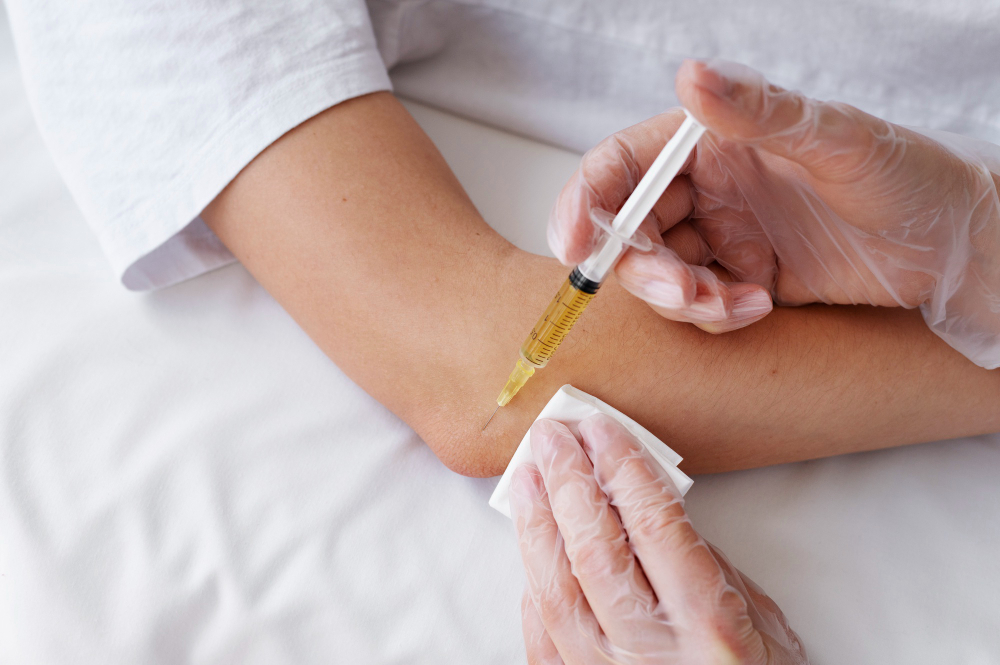
What is PRP Therapy?
PRP therapy stands for platelet-rich plasma therapy. It is a treatment that uses your own blood to help heal injuries. Doctors often use PRP therapy in orthopedic surgery to treat joint pain and speed up recovery. Since it uses your own blood, the risk of allergic reactions is low. Many people choose PRP therapy because it is natural and less invasive than surgery.
How Does PRP Therapy Work?
First, a doctor draws a small amount of your blood. Then, the blood is placed in a machine called a centrifuge. This machine spins the blood to separate the platelets from other parts. Platelets are tiny cells that help your body heal. After that, the doctor injects the concentrated platelets into the injured area. As a result, the platelets release growth factors that help repair tissue and reduce pain.
Common Uses of PRP in Orthopedics
Doctors use PRP therapy for many orthopedic problems. For example, it can help with:
Because PRP therapy for joint pain is popular, many people ask about it when other treatments have not worked.
Benefits of PRP Therapy
PRP therapy offers several benefits. For instance, it uses your own blood, so there is little risk of infection. In addition, it may help you heal faster and reduce pain. Some patients notice less swelling and better movement after treatment. Here are some key PRP therapy benefits:
However, results can vary from person to person. Always talk to your doctor about what to expect.
The PRP Procedure: What to Expect
First, your doctor will explain the orthopedic PRP procedure. Next, they will draw a small amount of blood from your arm. After spinning the blood in a centrifuge, the doctor collects the platelet-rich plasma. Then, they clean the area to be treated. Using a thin needle, the doctor injects the PRP into the injured joint or tissue. The whole process usually takes less than an hour. Most people can go home right after the procedure. Sometimes, you may feel mild soreness for a day or two.
Safety and Side Effects
PRP therapy is generally safe because it uses your own blood. Still, like any treatment, there can be side effects. For example, you may notice:
Most side effects are mild and go away quickly. According to the CDC and orthopedic journals, serious problems are rare. If you have concerns, always talk to your doctor before starting PRP therapy.
Who is a Good Candidate?
Not everyone is a good candidate for platelet-rich plasma treatment. However, you may benefit if you:
On the other hand, people with certain blood disorders or infections may not be suitable for PRP therapy. Therefore, your doctor will review your medical history before recommending this treatment.
Frequently Asked Questions
Conclusion and Next Steps
In summary, PRP therapy is a safe and natural option for many orthopedic problems. It uses your own blood to help heal injuries and reduce pain. While results can vary, many people find relief with this treatment. If you have joint pain or a soft tissue injury, consider asking about PRP therapy. Consult an orthopedic specialist at Virupaksha to find out if PRP therapy is right for you.