
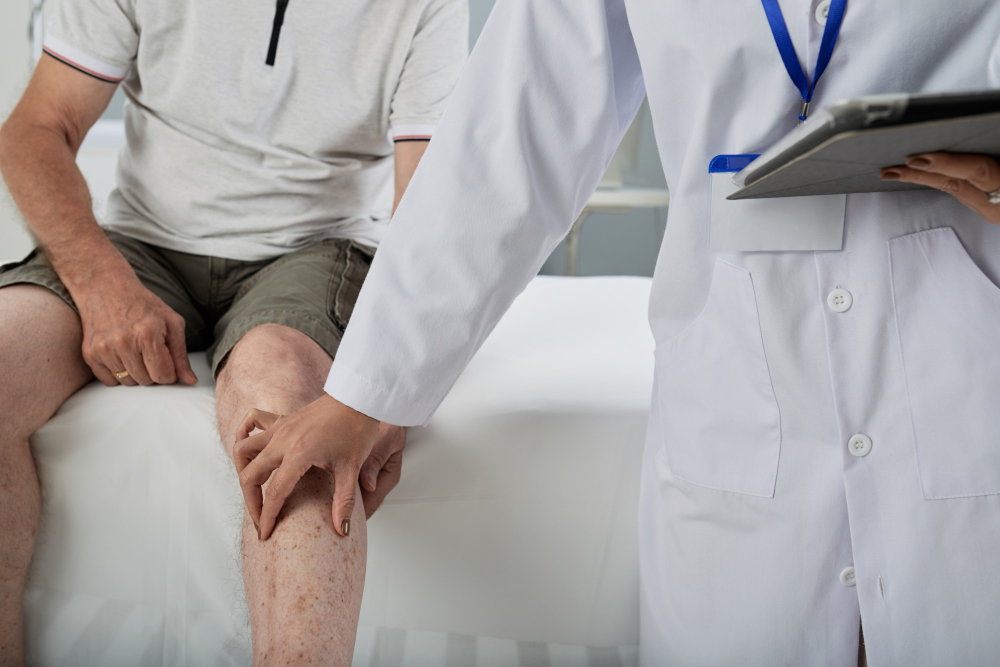
What Is Total Knee Replacement?
Total knee replacement is a surgery that replaces a damaged knee joint with an artificial one. Doctors often suggest this procedure when knee pain and stiffness make daily life hard. Usually, the artificial joint is made of metal and plastic. As a result, many people can walk and move with less pain after surgery. According to the World Health Organization (WHO), this surgery is safe and helps many people regain movement.
Who Needs Total Knee Replacement?
Not everyone with knee pain needs surgery. However, some people benefit more than others. You may need total knee replacement if:
For many, knee replacement surgery offers hope for a better life.
Symptoms and Diagnosis Leading to Surgery
Often, people notice pain, swelling, or stiffness in their knee. Sometimes, the knee may even look deformed. Because these symptoms can get worse over time, it is important to see a doctor early. The doctor will ask about your pain and check your knee. In addition, X-rays or scans help show how much damage is present. If your pain keeps you from enjoying life, surgery may be the next step.
The Total Knee Replacement Procedure
During total knee replacement, a surgeon removes the damaged parts of your knee. Then, the surgeon places a new artificial joint. The surgery usually takes one to two hours. Most people stay in the hospital for a few days. After surgery, you will start gentle exercises to help your knee heal. Because recovery is important, doctors and nurses will guide you at every step.
Benefits and Risks of Total Knee Replacement
There are many benefits of total knee replacement. For example, most people feel less pain and move better. Here are some key benefits:
However, like any surgery, there are risks of knee replacement. These may include:
Although these risks are rare, it is important to talk to your doctor about them. The Centers for Disease Control and Prevention (CDC) notes that most people recover well after surgery.
Recovery and Rehabilitation Tips
Recovery after knee replacement surgery takes time. But with the right steps, you can heal faster. Here are some tips for knee replacement surgery recovery:
Because recovery can be slow, patience is key. Most people feel much better within three to six months.
Lifestyle Guidance After Surgery
After total knee replacement, you can return to many normal activities. However, you should avoid high-impact sports. Instead, choose gentle activities like walking, swimming, or cycling. In addition, keep your weight healthy to reduce stress on your new knee. If you notice pain or swelling, rest and talk to your doctor. With good care, your new knee can last many years.
Prevention and Joint Health Tips
Even if you have had knee surgery, caring for your joints is important. Here are some ways to keep your knees healthy:
Because prevention is better than cure, these habits can help protect your joints.
When to Consult an Orthopedic Surgeon
If you have knee pain that does not improve with rest or medicine, it may be time to see a specialist. Also, if your knee is swollen, stiff, or keeps you from daily tasks, do not wait. An orthopedic surgeon can check your knee and suggest the best treatment. Early advice can help you avoid more problems later.
For the best care, consult an orthopedic specialist at Virupaksha for personalized advice on total knee replacement.